
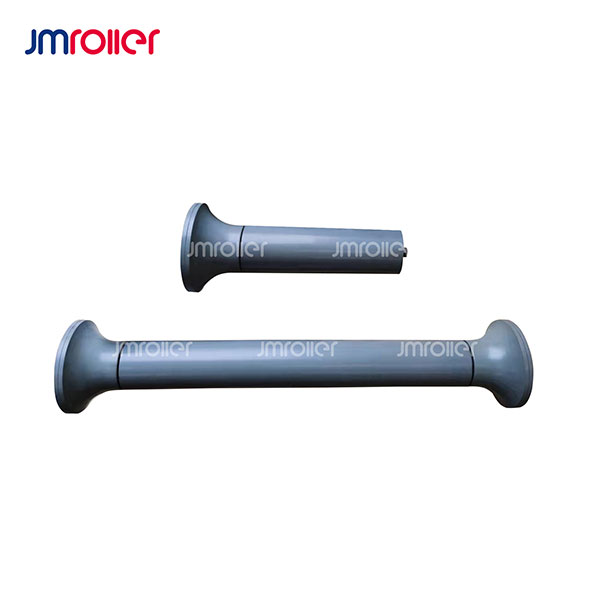
Product details
Friction Roller is an important part of conveyor idler set, It is usually
used at both ends of the idler set.
Friction Roller has a strong ability to automatically correct the partial
belt conveyor belt, at the same time to maximize the protection and avoid the
rubber belt conveyor belt, the possibility of tearing apart; at the same time
maximize the conveyor belt life.
Application:
Mining
Steel mill
Cement plant
Power plant
Chemical Plant
Sea Port
Storage
etc.
Application and selection guide
Friction rollers form part of a conveyor guiding or contact arrangement where surface interaction is intentional. Their working position and relationship to the rest of the mechanism must be identified before a suitable replacement can be proposed.
Where this product fits
Explain the function of the existing roller, including which surface it contacts and when that contact occurs. Installation photographs can help distinguish a specialised friction arrangement from an ordinary support roller.
Information for a suitable proposal
Provide the roller profile, contact surface, shaft geometry and mounting detail. Include observations about uneven contact or wear so that the complete mechanism can be reviewed.
The roller, its mounting frame and the belt form one working assembly. Confirm the shell length, shaft end form and installed clearances against the existing structure. Photographs help identify the arrangement, while an approved drawing is preferable when the replacement must fit an established conveyor.
Installation and maintenance considerations
Inspect the mating surface and mounting pivots as well as the roller. Repeated local wear can indicate a contact or alignment problem elsewhere in the assembly.
Include belt speed, conveyed material, expected contamination and the position on the conveyor in the inquiry. A carrying position, a loading point and a return strand expose a roller to different duties. Ask for the proposed bearing and sealing arrangement to be checked against those conditions rather than choosing by outside appearance alone.
For related options, explore roller sets and supporting arrangements or discuss the application with JuMing.