 Conveyor Belt
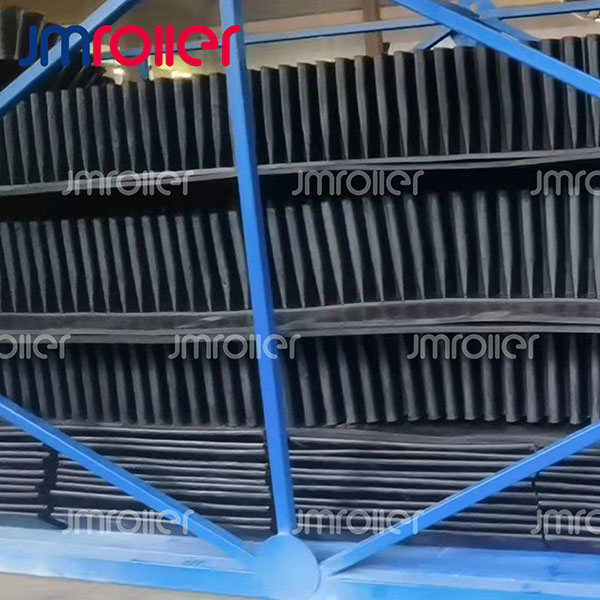
Corrugated Sidewall Conveyor Belt
A corrugated sidewall conveyor belt carries material within a raised-edge arrangement suited to a defined conveying layout. Its…
View details
Conveyor Belt: applications and selection Conveyor belts carry material through a system whose loading method, route and operating environment determine the appropriate construction. The range includes fabric belts, steel cord belts, chevron patterns and…
Explore the available designs, then review the application and selection guide below. Send a drawing or operating requirements to discuss the appropriate specification.
Conveyor Belt
A corrugated sidewall conveyor belt carries material within a raised-edge arrangement suited to a defined conveying layout. Its…
View details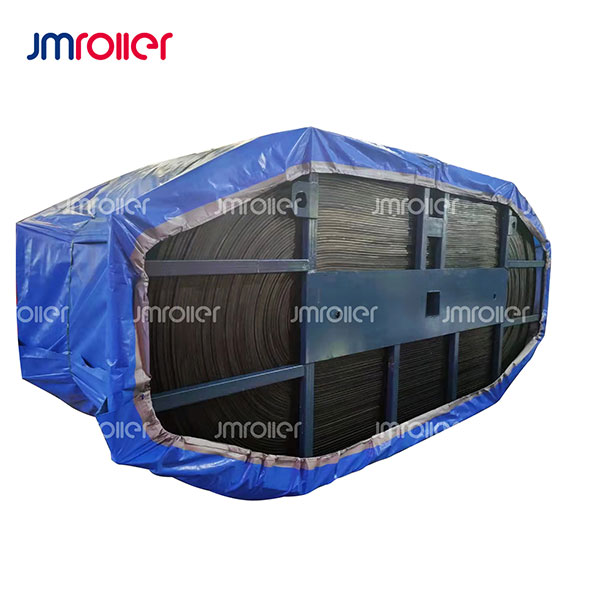 Conveyor Belt
Fabric conveyor belts use a textile carcass within a covered belt construction for bulk material handling. Choosing a…
View details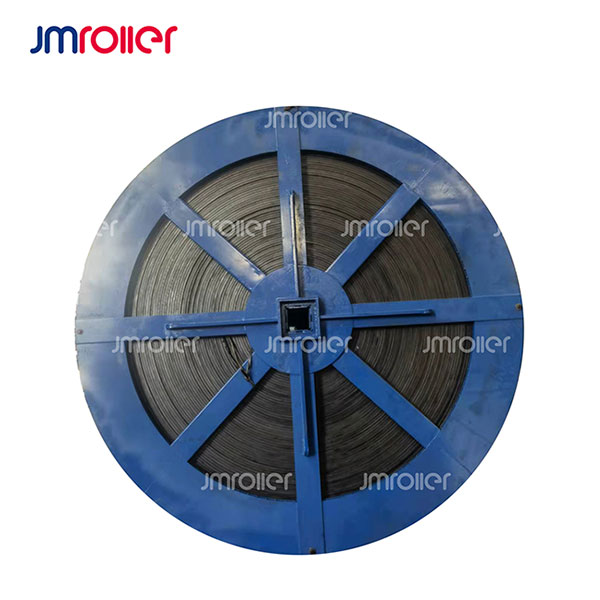 Conveyor Belt
Steel cord conveyor belts use longitudinal steel reinforcement within a covered belt construction. Their selection and replacement should…
View details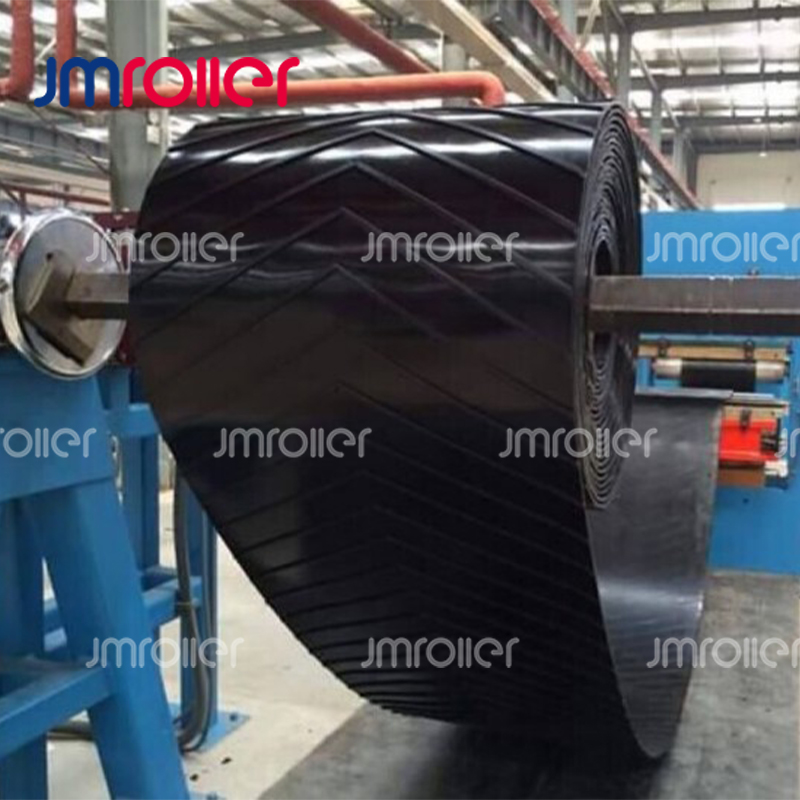 Conveyor Belt
Chevron belts use a patterned carrying surface to help retain material on suitable inclined conveying duties. Pattern form…
View detailsConveyor belts carry material through a system whose loading method, route and operating environment determine the appropriate construction. The range includes fabric belts, steel cord belts, chevron patterns and corrugated sidewall arrangements. These are functional choices for different conveying tasks, so a useful starting point is the current belt designation or a complete conveyor duty description.
Fabric and steel cord belts differ in their reinforcement construction and should be assessed within the conveyor design. Chevron belts add a raised carrying pattern for suitable inclined duties. Corrugated sidewall belts use a defined base belt, sidewall and cleat arrangement that must work with the loading and discharge geometry. Compare the constructions against the application rather than ranking them as universally better or worse. Pulley arrangement, belt support and the intended splice are part of that comparison.
Before installing a replacement, inspect loading areas, worn rollers and cleaning equipment that may have contributed to the existing damage. Arrange handling and splicing with the responsible installation team. During service, examine covers, edges, profiles and joints through the site’s planned inspection process. Sharing the current wear pattern in an enquiry makes the selection discussion more useful than supplying only the nominal width.
Explore related products: Fabric Conveyor Belt; Steel Cord Conveyor Belt; Chevron Belt; Corrugated Sidewall Conveyor Belt.