
 Conveyor Pulley
Motorized Pulley
A motorized pulley combines the belt driving surface with an integrated drive arrangement. Selection requires mechanical fit and…
View detailsConveyor Pulley: applications and selection Conveyor pulleys turn, drive or guide the belt through the conveyor arrangement. The catalogue includes head, tail, bend, snub, take-up and motorized pulley products. The correct starting point is…
Explore the available designs, then review the application and selection guide below. Send a drawing or operating requirements to discuss the appropriate specification.
Conveyor Pulley
A motorized pulley combines the belt driving surface with an integrated drive arrangement. Selection requires mechanical fit and…
View details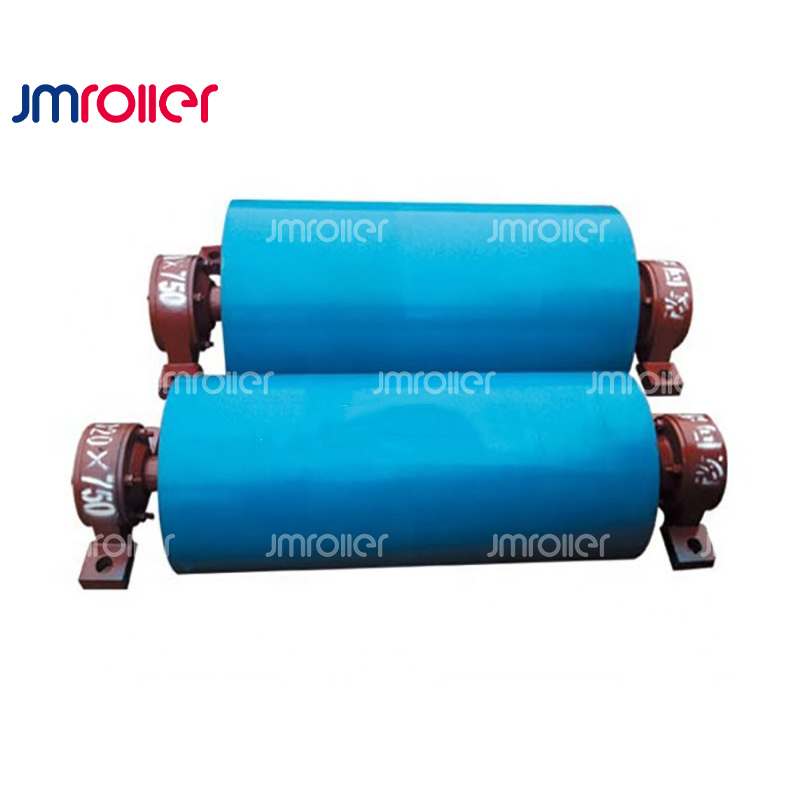 Conveyor Pulley
A bend pulley changes the direction of the belt within a conveyor’s pulley arrangement. Its position, belt contact…
View details Conveyor Pulley
A head pulley sits at the discharge end of a belt conveyor and forms part of the belt’s…
View details Conveyor Pulley
A tail pulley turns the belt at the receiving end of a conveyor. Its design and placement should…
View details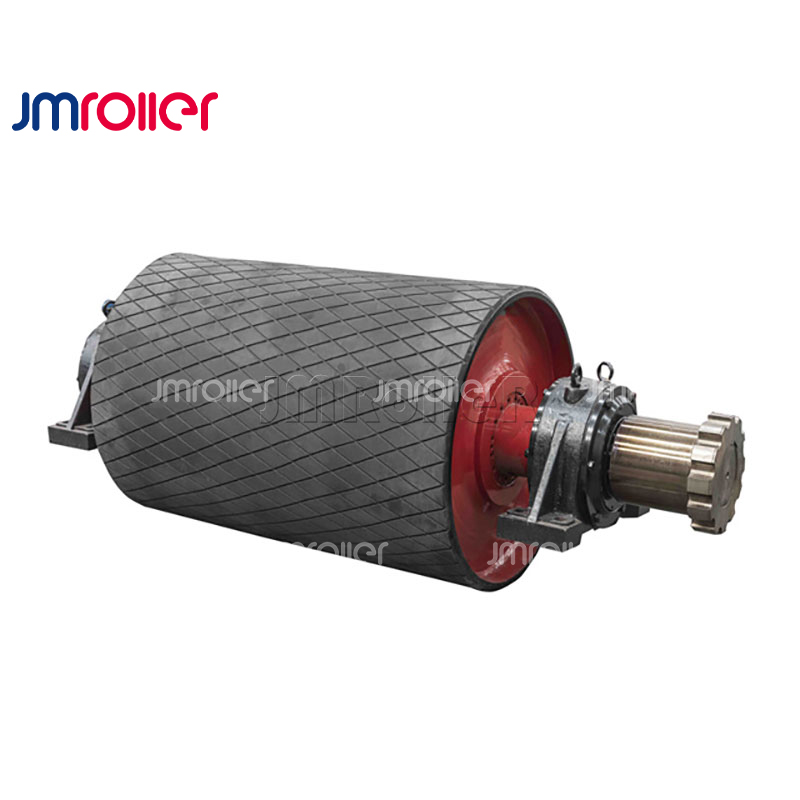 Conveyor Pulley
A snub pulley modifies the belt path close to another pulley in the conveyor arrangement. Its placement and…
View details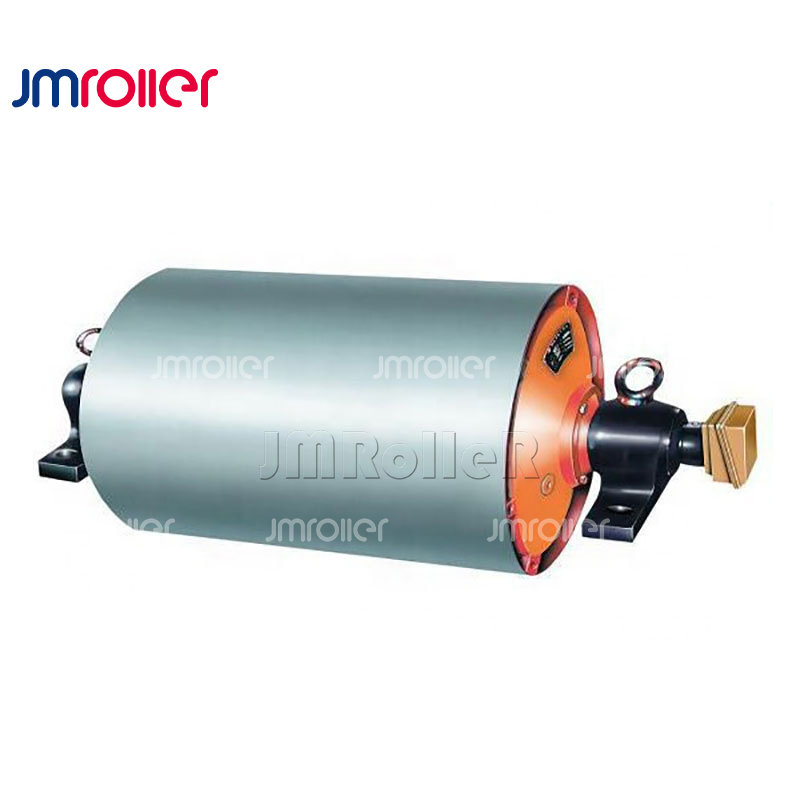 Conveyor Pulley
A take-up pulley operates within the conveyor’s belt tensioning arrangement. Its moving or adjustable support and the surrounding…
View detailsConveyor pulleys turn, drive or guide the belt through the conveyor arrangement. The catalogue includes head, tail, bend, snub, take-up and motorized pulley products. The correct starting point is the pulley’s position and function within the belt path, followed by its complete shell, shaft, bearing and mounting interfaces.
A head pulley sits at discharge, a tail pulley turns the belt at the receiving end, and bend or snub pulleys change the path elsewhere in the arrangement. A take-up pulley belongs to the tensioning system and may move within a defined travel envelope. A motorized pulley adds an integrated drive arrangement with mechanical and electrical requirements. Their different duties mean that diameter and face width alone do not establish an appropriate replacement.
Review pulley alignment and the supporting structure during replacement, together with adjacent cleaning equipment and belt condition. When lagging is required, select the covering and installation method for the actual duty. Maintenance around take-up systems also needs the site’s stored-energy controls. Providing the existing assembly drawing and a photograph of its installed position helps distinguish the required pulley from another unit with superficially similar dimensions.
Explore related products: Motorized Pulley; Head Pulley; Tail Pulley; Snub Pulley; Take-up Pulley.