
 Pulley Lagging
HCRL-58% · Ceramic Cold Bonding Rubber Lagging-Heavy Duty 58%
HCRL-58% is identified in the archived range as a heavy duty ceramic cold bonding rubber lagging option. The…
View detailsPulley Lagging: applications and selection Pulley lagging forms the belt-contacting covering on a defined conveyor pulley. The range includes plain and diamond-pattern rubber, ceramic coverage options, polyurethane coverings, slide-lag arrangements, segmented shells and accompanying…
Explore the available designs, then review the application and selection guide below. Send a drawing or operating requirements to discuss the appropriate specification.
Pulley Lagging
HCRL-58% is identified in the archived range as a heavy duty ceramic cold bonding rubber lagging option. The…
View details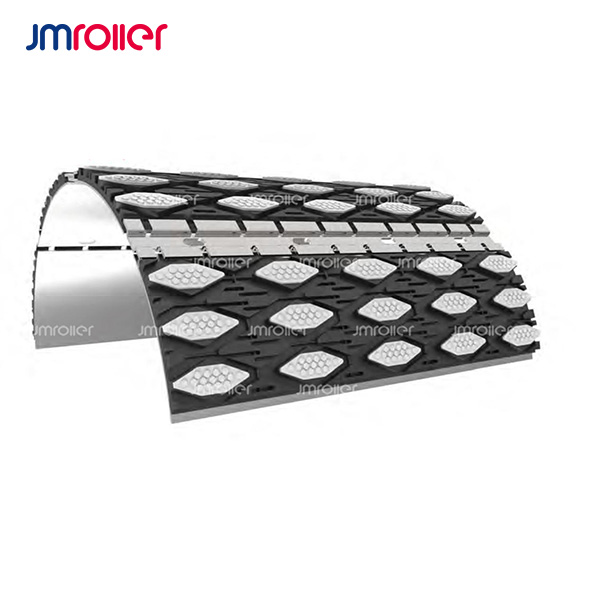 Pulley Lagging
HGSRL-G is presented as a general purpose ceramic slide-lag option for compatible pulley arrangements. It combines a ceramic…
View details Pulley Lagging
HCSRL-HD is the archived heavy duty ceramic slide-lag option for a compatible mechanical mounting system. Review the ceramic…
View details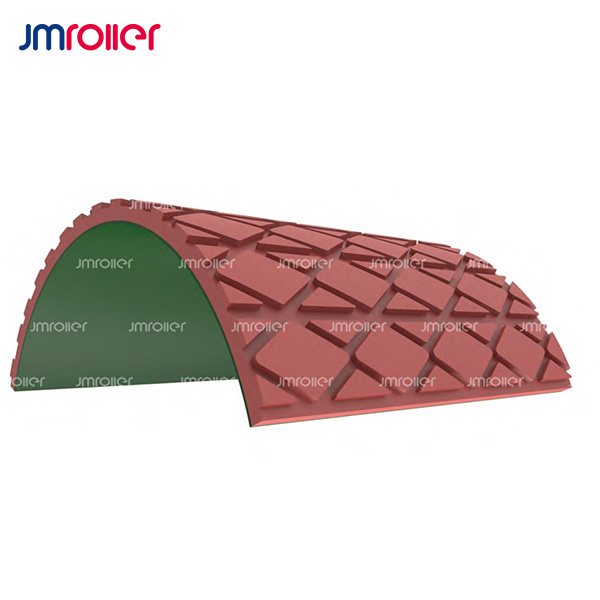 Pulley Lagging
HPL-G is listed as a general purpose polyurethane cold bond lagging option within the pulley covering range. Its…
View details Pulley Lagging
HPL-H is labelled as a high wear resistant polyurethane cold bond lagging option. That product designation should be…
View details Pulley Lagging
HDRL-G is a general purpose diamond cold bond rubber lagging option in the archived range. The patterned surface…
View details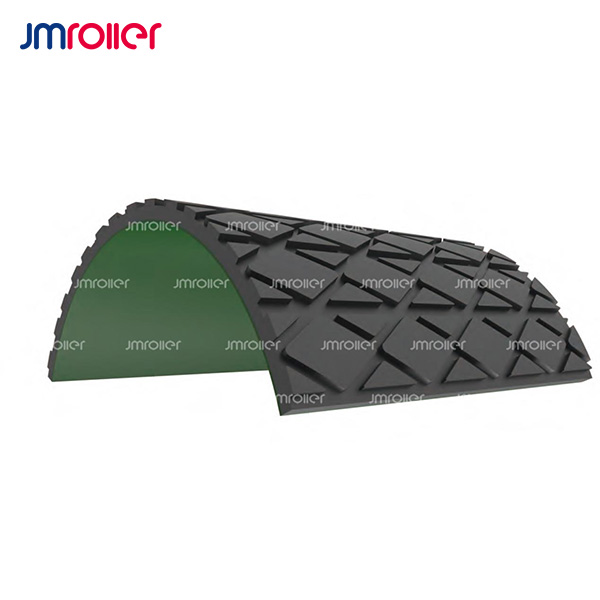 Pulley Lagging
HDRL-C is the archived diamond-pattern rubber lagging variant described around installation convenience. The exact product designation and supplied…
View details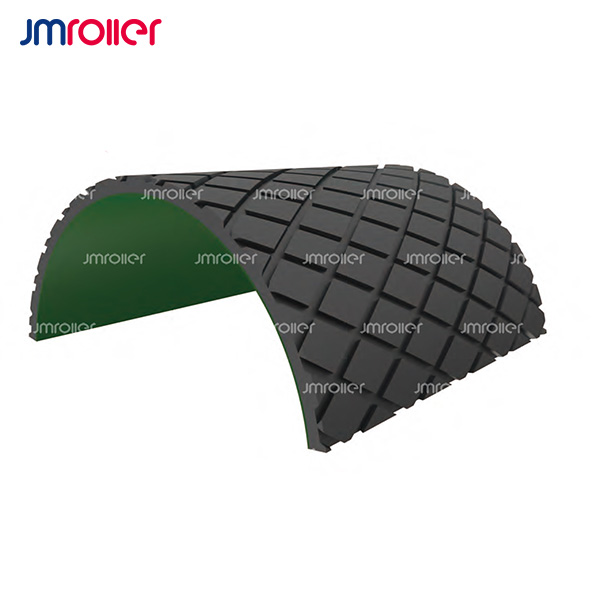 Pulley Lagging
HDRL-A is labelled as a diamond cold bond rubber lagging option with a belt anti-skid focus. Its selection…
View details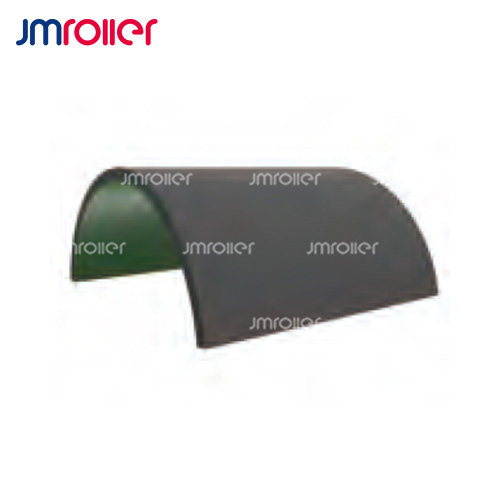 Pulley Lagging
HPRL-1 is the plain cold bond rubber lagging option in the archived pulley covering range. A plain surface…
View details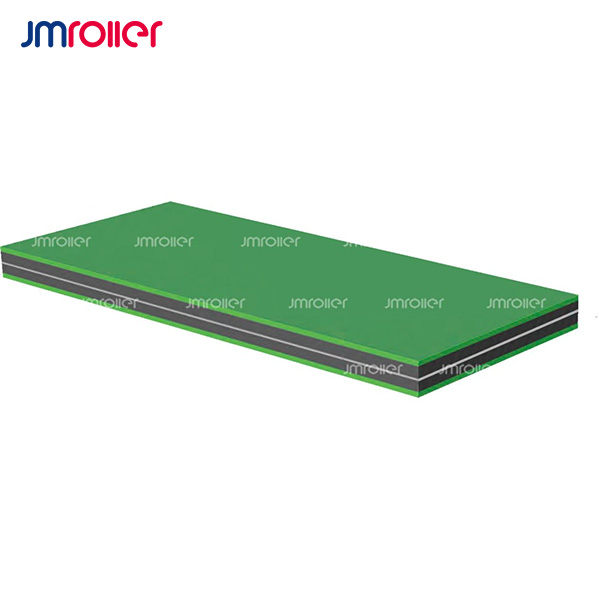 Pulley Lagging
HFR-1 filler rubber is an accompanying material within the pulley covering range. Its intended location and compatibility with…
View detailsPulley lagging forms the belt-contacting covering on a defined conveyor pulley. The range includes plain and diamond-pattern rubber, ceramic coverage options, polyurethane coverings, slide-lag arrangements, segmented shells and accompanying filler rubber. Selection should begin with pulley duty, belt condition and the reason the existing surface is being replaced.
Bonded coverings and mechanically retained arrangements have different installation interfaces. Ceramic options carry distinct coverage and duty labels; these should be compared against the application rather than ranked by coverage alone. Polyurethane and rubber alternatives also require a review of the actual wear and contamination. Filler rubber serves a defined role within a compatible covering system and is not a substitute for the selected wearing surface. Clarify whether the enquiry is for new covering, replacement sections or related installation materials.
Agree the installation procedure and compatibility of all materials with the responsible team. Inspect bond edges, joints, retention points and worn contact areas according to the selected system. Damage to a rail or an uneven underlying shell should be reviewed before new lagging is fitted. Persistent slipping or uneven wear also calls for attention to the belt, pulley alignment and surrounding equipment rather than repeated covering changes alone.
Explore related products: HCRL-19% · Ceramic Cold Bonding Rubber Lagging-Light Duty 19%; HGRL-39% · Ceramic Cold Bonding Rubber Lagging-Medium Duty 39%; HCRL-58% · Ceramic Cold Bonding Rubber Lagging-Heavy Duty 58%; HPL-G · Polyurethane Cold Bond Lag-General Purpose; HDRL-G · Diamond Cold Bond Rubber Lag-General Purpose; HSRL-1 Slide-Lag Pulley Lagging.