
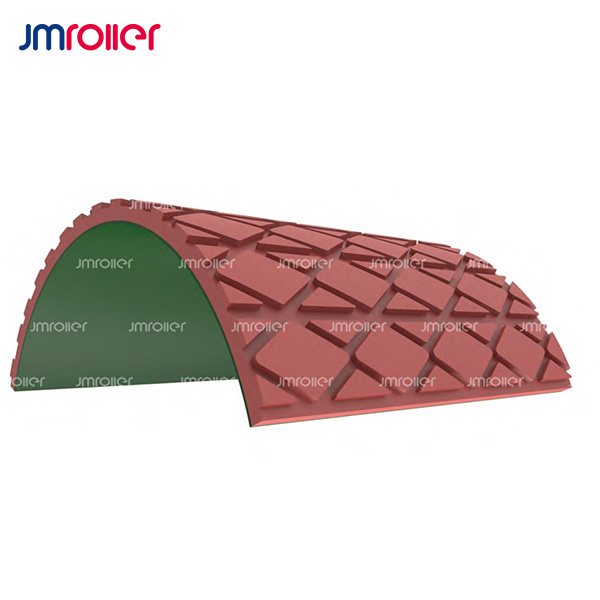
Product details
It is suitable for long-distance high-speed conveyors and can slow down the
abnormal wear of pulley rubber lagging.
Product Features:
1、Combined with DCCDO cleaning agent, metal treatment agent and cement, it
can produce the maximum bonding strength and is safer to use;
2、Hardness Shore 67±5A, more friendly to conveyor belt;
3、Wear resistance ≤79mm³, provide >45000 hours service life under normal
working conditions;
4、It is suitable for the use of pulleys in severe working conditions such as
severe local wear and tear due to conveyor belts problems;
5、No need to grind the CN layer.
Product Parameters:
| Polymer | Polyurethane |
| Density | 1.2 g/cm3 |
| Hardness | 67±5 Shore A |
| Tensile strength | 17 Mpa |
| Elongation at break | 420% |
| Abrasion | ≤79mm3 |
| Working temperature | -25~70℃ |
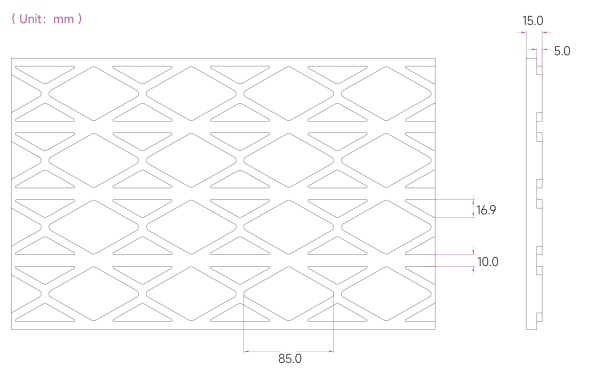
Product Size:
Application and selection guide
HPL-G is listed as a general purpose polyurethane cold bond lagging option within the pulley covering range. Its suitability should be discussed with the pulley position, surface condition and expected wear exposure before the installation method is confirmed.
Where this product fits
Use the general purpose designation as a comparison point within the polyurethane range. Describe the material and the observed surface wear rather than assuming a direct replacement from colour or appearance.
Information for a suitable proposal
Provide pulley face dimensions, current covering details and the intended bonding system. Include belt information and the reason polyurethane is being considered for this installation.
Polyurethane lagging should be reviewed against the conveyed material, pulley position, belt surface and likely wear mechanism. Explain whether the replacement is intended to address abrasion, build-up or an installation requirement. A material label alone is not enough to confirm suitability for a specific operating condition.
Installation and maintenance considerations
Inspect bond edges, local wear and trapped material. Compare persistent damage with the condition of the belt and adjacent components during the same maintenance review.
Send the pulley dimensions and an outline of the existing covering. Agree the bonding preparation and installation method with the responsible team, and consider whether the shutdown allows the necessary work to be completed correctly. Routine inspections should look for lifting edges, local wear and trapped material before these affect the belt or adjacent equipment.
For related options, explore rubber and ceramic lagging alternatives or discuss the application with JuMing.