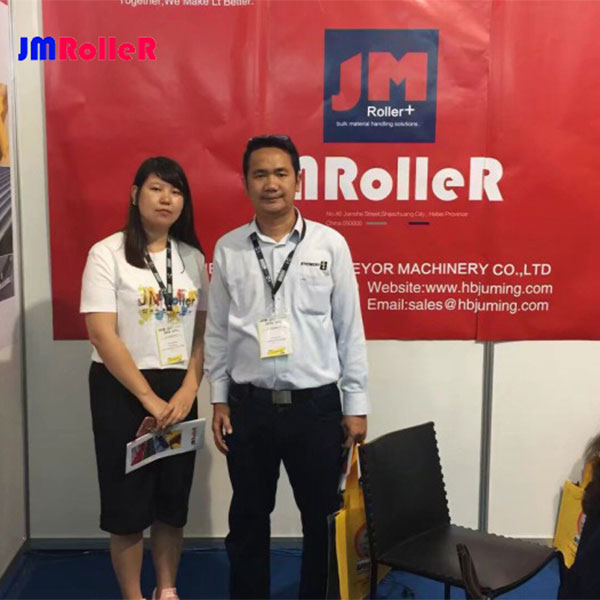
Inside our conveyor component manufacturing
Hebei Juming supplies conveyor rollers, roller sets, pulleys, belts and associated components for industrial material handling. Our manufacturing information covers both roller and pulley production and conveyor belt production. The factory is more than a product display: it is where customer drawings, component interfaces, material requirements and production checks have to come together in a finished item.
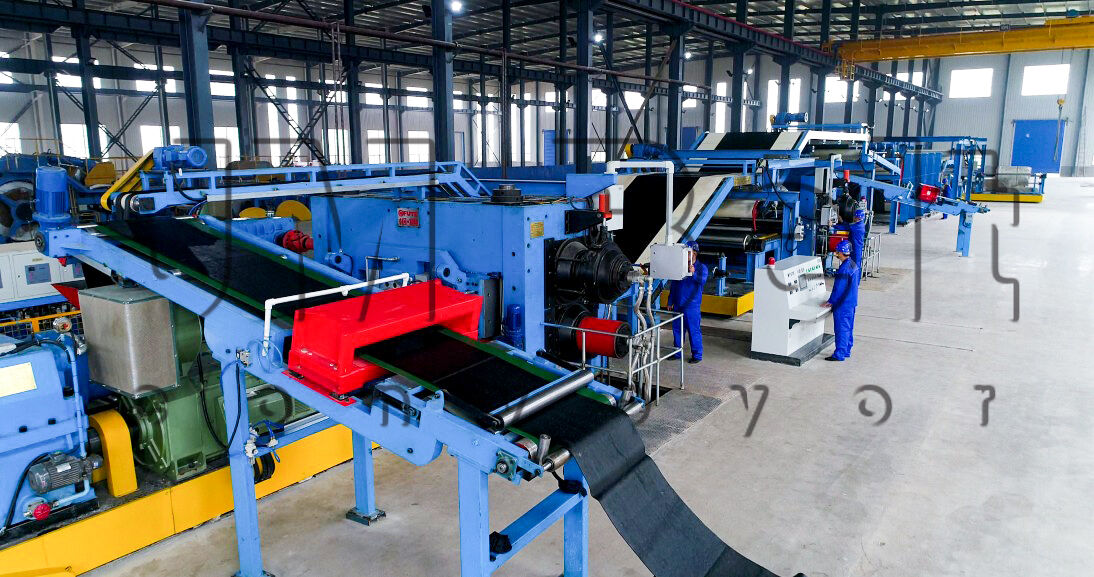
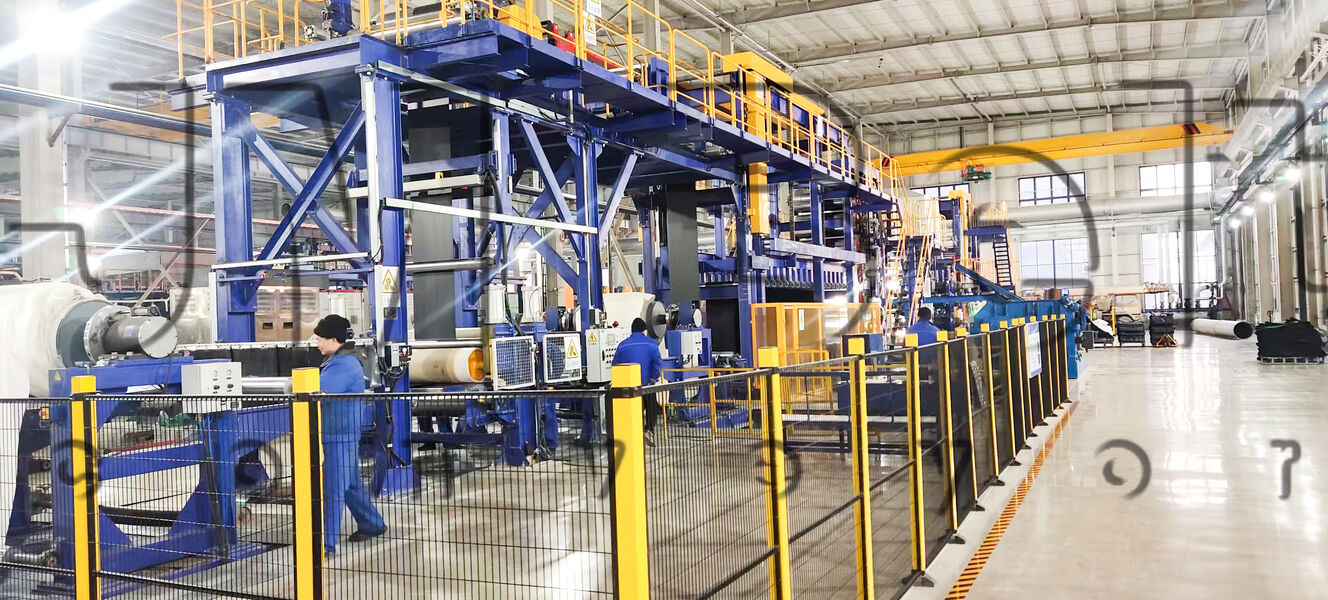
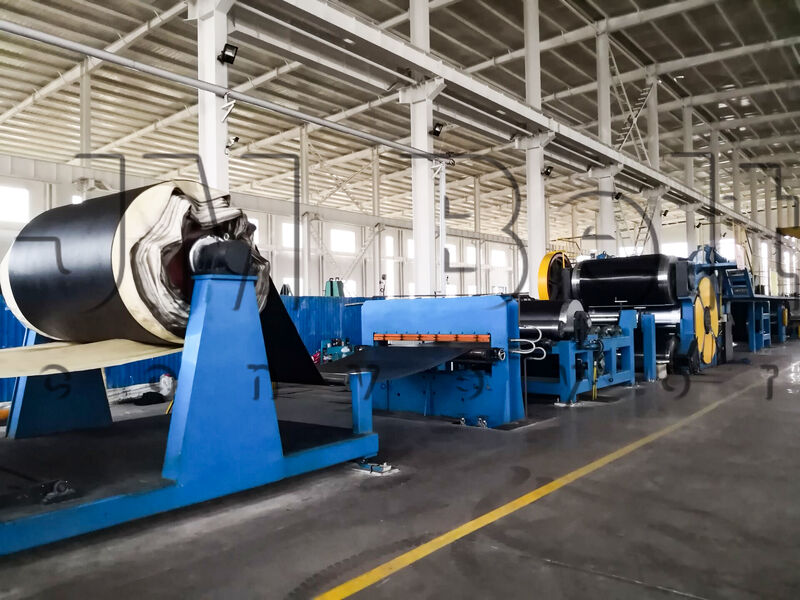
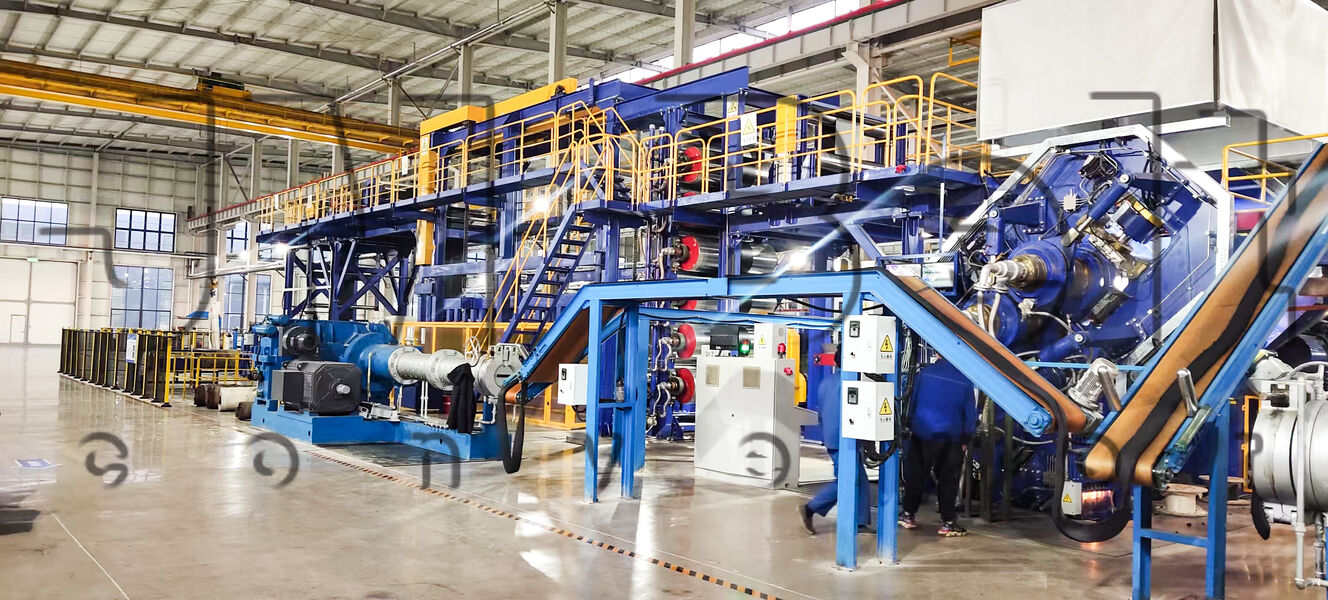
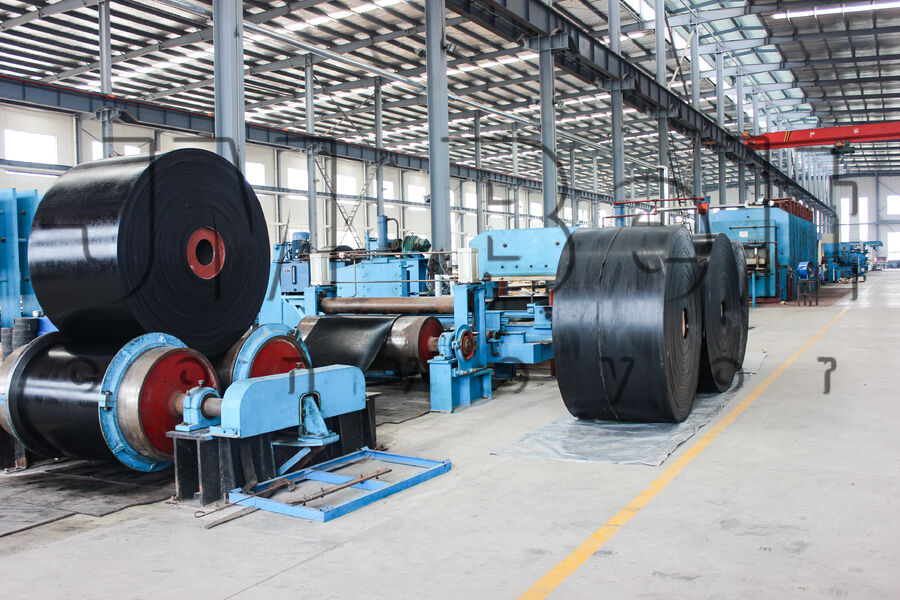
The photographs below show the production environment presented in our factory tour. They give a view of the facilities behind the product catalogue. For a purchasing decision, we recommend combining this overview with a discussion of your actual component, the drawing revision and any inspection or approval requirements. Our team can discuss the dimensions, construction and inspection requirements for the particular component you need.



Begin with the drawing and the operating duty
Production planning starts from the agreed product information. For a roller, this can include shell diameter, effective face length, shaft details, bearing and sealing requirements, surface treatment and identification. For a pulley, the face width, shaft arrangement, hubs, bearings and lagging form part of a connected design. A belt enquiry requires its construction and duty to be understood alongside width and length.
A clear drawing is particularly valuable for replacements because it records the interfaces that must fit the existing conveyor. Include the drawing number and revision, distinguish overall length from working length, and show mounting details. If only a used sample is available, explain the application and any damaged or worn areas so that the sample is not treated as an unquestioned new-part specification.
Component preparation and assembly
Roller manufacturing involves preparing the shell, shaft and bearing arrangement before assembly and sealing. Pulley work brings together the drum, shaft and other specified features. The exact process depends on the product construction and the agreed order. Product-specific information should therefore be reviewed with the enquiry instead of assuming that every roller or pulley follows one universal configuration.
The production team needs more than a product name. Material selection, dimensions, mating parts, finish and marking all affect the work. Where several variants are ordered together, a component schedule helps keep the variants separate. Item references can then be connected with the drawing, quantities and shipment identification.
Inspection through the production process
Our manufacturing approach includes inspection from incoming materials through preparation, assembly and the finished product. The points applicable to your order should be agreed in advance. Depending on the component, the discussion can cover dimensions and mounting interfaces, visual condition, assembly, rotation, runout, surface finish or product identification. Tests and acceptance limits should follow the agreed specification.
If your project requires a particular inspection record, witness point, material document or independent inspection, raise it before production begins. The team can review the document scope and how it relates to the products ordered. Our quality control page explains the information buyers should confirm and how to distinguish general company credentials from product-specific acceptance requirements.
OEM and ODM enquiries
We discuss OEM and ODM work with customers who need their own product identification, packaging or adapted component details. An OEM enquiry benefits from a drawing, sample or existing specification. For a development enquiry, explain the functional requirement, installation constraints and the problem the new component needs to solve. Engineering review can then identify the details that require agreement before a proposal is finalised.
Branding and packaging should be treated as part of the specification. Provide the marking text, label artwork or packaging arrangement where available, and identify any destination requirements that affect shipment. If a requested change influences the product’s function or interfaces, it also needs a technical review. Appearance and packaging changes should not conceal an unconfirmed dimensional or performance requirement.
Preparing an order for shipment
Protection, identification and documents should correspond with the order. Buyers can discuss handling arrangements, package marking, separation of variants and any special storage or destination requirements with the sales team. The final commercial agreement should establish what packaging and shipping terms apply. Quantities, item references and the destination contact should be clear before shipment preparation.
For maintenance teams receiving several similar components, a consistent item reference is especially useful. Include your stock code or drawing reference with the enquiry if it needs to appear on packaging. This makes it easier to connect a delivered item with the correct installation position and maintenance record.
Arrange a factory visit or a technical review
Contact us before travelling so that the visit location, purpose and availability can be confirmed. Tell us which product family you would like to discuss and whether you need to review a drawing, sample or inspection arrangement. An enquiry focused on a particular conveyor duty helps us prepare the relevant information for the visit.
The factory address listed in our contact information is in the South Zone of the Hi-Tech Industrial Development Zone, Jizhou District, Hengshui City, Hebei Province. Our sales office is in Shijiazhuang. These are different locations, so please confirm the intended meeting point with the team. Read our customer visit gallery, view exhibition photographs, or contact JuMing to discuss your requirements.