
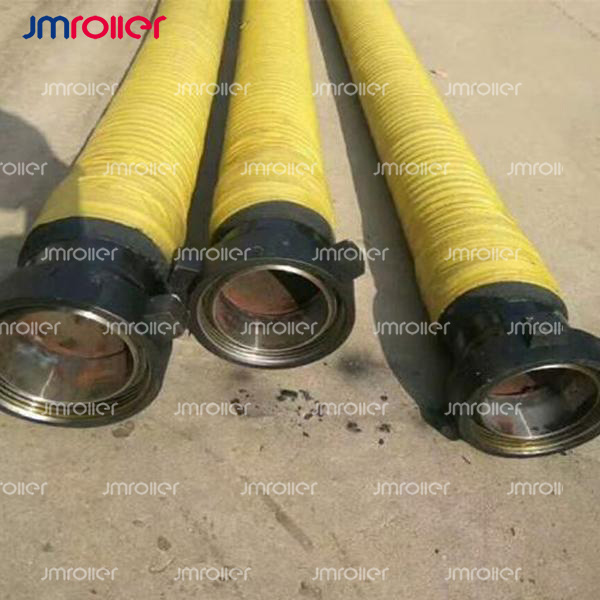
Product details
High-Pressure Pipeline is a type of pipeline system used to transport
high-pressure liquids or gases. Its main components include pipes, fittings,
valves, and connectors. High-pressure pipelines are typically made from
high-strength materials to withstand the pressure and loads in high-pressure
environments.
Main applications:
1. Energy Industry: High-pressure pipelines are used to transport energy
resources such as oil and natural gas from production sites to processing
plants, factories, or consumption areas.
2. Chemical Industry: High-pressure pipelines are utilized to transport
various chemicals, liquids, and gases, playing a crucial role in chemical
processes and transportation.
3. Water Utilities: High-pressure pipelines are employed in water supply and
wastewater systems to ensure stable water supply and efficient wastewater
discharge.
4. Power Industry: High-pressure pipelines transport steam and cooling
mediums for power generation and cooling systems in power plants.
5. Manufacturing Sector: High-pressure pipelines are used to transport
compressed air, hydraulic fluids, and other process fluids in industrial
manufacturing processes.
The design, installation, and operation of high-pressure pipelines must
strictly adhere to relevant safety standards and regulations to ensure safe and
stable operation. In high-pressure pipeline systems, leak detection, pressure
control, and emergency handling are crucial aspects.
Application and selection guide
High-pressure pipeline products should be discussed as part of a defined fluid system, including the connected equipment and installation route. Materials, connections, supports and operating conditions need to be reviewed together before selecting a replacement or a new line.
Where this product fits
Identify whether the requirement concerns a rigid section, a connection to flexible hose or another pipeline component. A layout helps distinguish the requested scope and the interfaces supplied by other parties.
Information for a suitable proposal
Provide the service medium, operating conditions, line drawing and connection details. Include support positions, movement or vibration and any environmental exposure relevant to the installed route.
A hose inquiry must identify the conveyed medium, operating pressure, pressure peaks, temperature and installation movement. Supply the current hose marking, connection information and a layout of the route. The hose, end fittings and any protective measures should be assessed as one compatible assembly by a qualified supplier.
Installation and maintenance considerations
Inspect supports and connections under the approved maintenance procedure. Check damaged adjacent components and avoid treating an unsupported or strained line as a simple like-for-like part replacement.
Never choose a hydraulic replacement solely by outside diameter or by copying the appearance of a fitting. Length, routing, bend behaviour and connection compatibility matter. Inspection or replacement requires proper isolation and pressure release under the site’s procedure. A visibly damaged hose should be assessed before use rather than repaired with an improvised external patch.
For related options, explore related hose and pipeline products or discuss the application with JuMing.