 Steel Roller
Troughing Roller
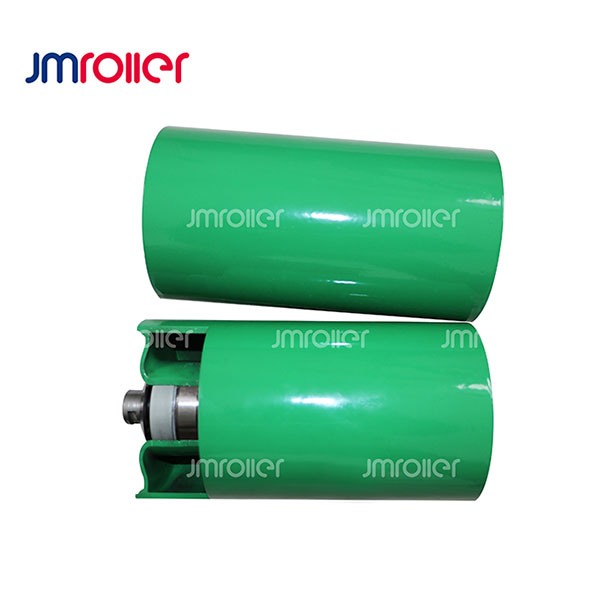
Troughing rollers support the loaded carrying strand within a shaped roller station. A suitable replacement must maintain the…
View details
Steel Roller: applications and selection Steel rollers cover several support and contact duties within a belt conveyor. The range includes troughing, wing, return, guide, spiral, friction and tapered arrangements. Selecting the correct type starts…
Explore the available designs, then review the application and selection guide below. Send a drawing or operating requirements to discuss the appropriate specification.
Steel Roller
Troughing rollers support the loaded carrying strand within a shaped roller station. A suitable replacement must maintain the…
View details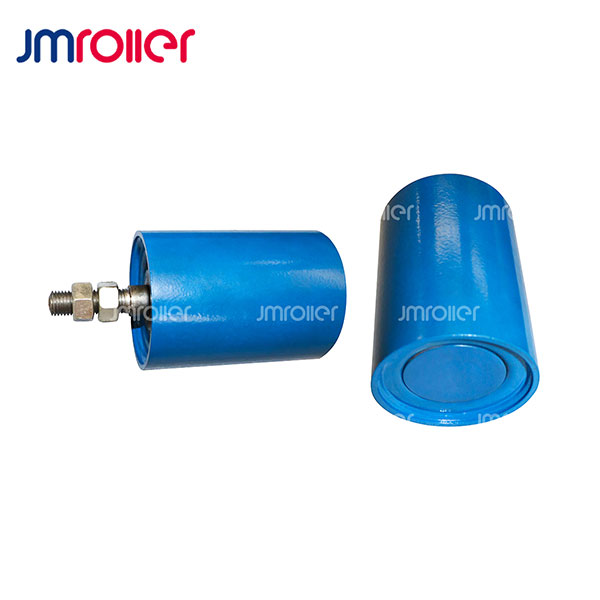 Steel Roller
Guide rollers provide a guiding contact at a defined location in a conveyor arrangement. Their position, mounting direction…
View details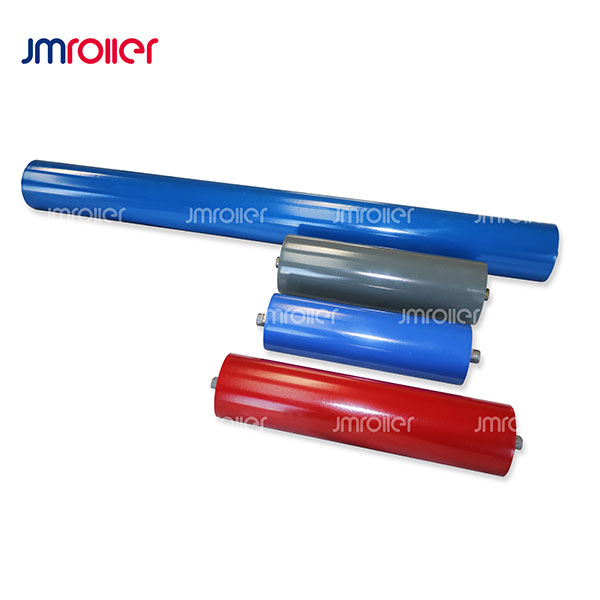 Steel Roller
Return rollers support the unloaded belt on its path back to the loading point. Their selection should account…
View details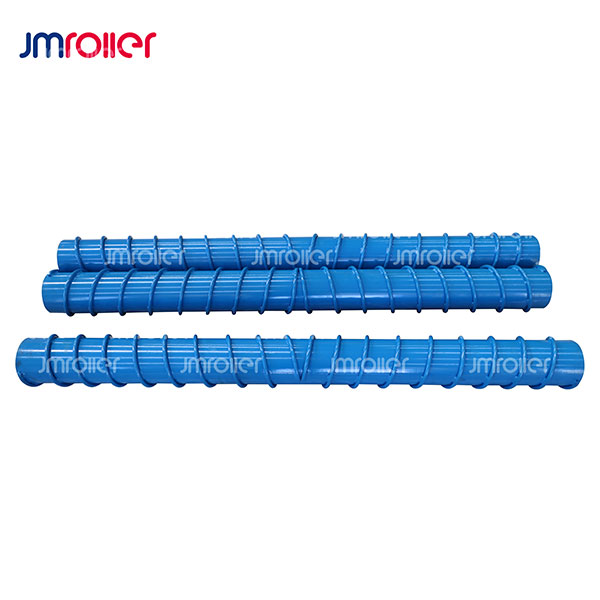 Steel Roller
Spiral rollers use a helical surface arrangement on a conveyor roller, often considered for return-side material build-up. The…
View details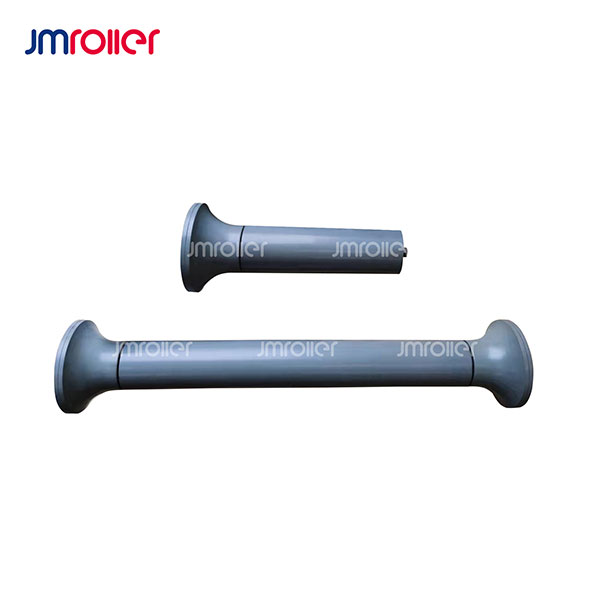 Steel Roller
Friction rollers form part of a conveyor guiding or contact arrangement where surface interaction is intentional. Their working…
View details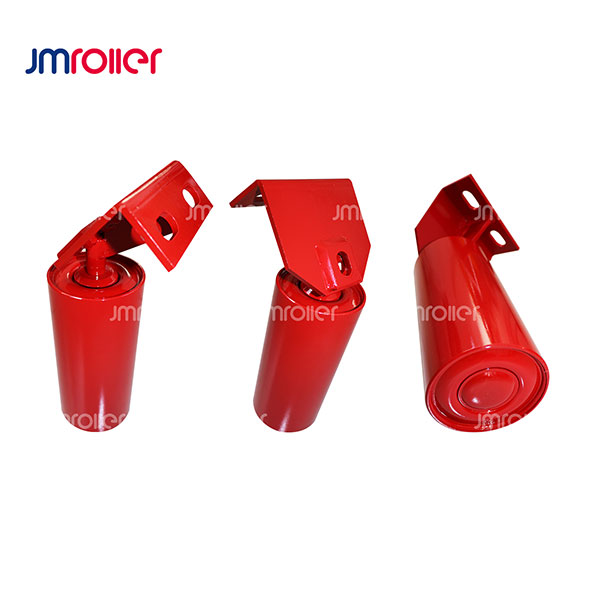 Steel Roller
Wing rollers support the outer portions of a troughed conveyor belt within a carrying station. Their length, shaft…
View details Steel Roller
Tapered rollers use a changing contact diameter within a specific conveyor arrangement. The taper, effective length and mounting…
View detailsSteel rollers cover several support and contact duties within a belt conveyor. The range includes troughing, wing, return, guide, spiral, friction and tapered arrangements. Selecting the correct type starts with its function and installed position, followed by the shell, shaft, bearing and sealing details needed to fit the existing conveyor assembly.
Troughing and wing rollers form part of the carrying support profile, while return rollers support the belt on its lower path. Guide and friction arrangements serve defined contact functions that should be shown within their mechanism. Spiral and tapered rollers have specific surface or profile features, so their orientation and working position are important. These products should not be treated as interchangeable because they have similar lengths. Use the current station drawing to identify which arrangement is required.
Inspect adjacent rollers and the supporting frame when changing a worn unit. Confirm that the shaft seats correctly and the roller turns freely, with sufficient clearance to surrounding parts. Repeated wear at one end or a local contact patch should prompt a review of alignment and the complete mechanism. The product pages give more focused information for each roller type and help identify suitable related support arrangements.
Explore related products: Troughing Roller; Wing Roller; Return Roller; Guide Roller; Tapered Roller.