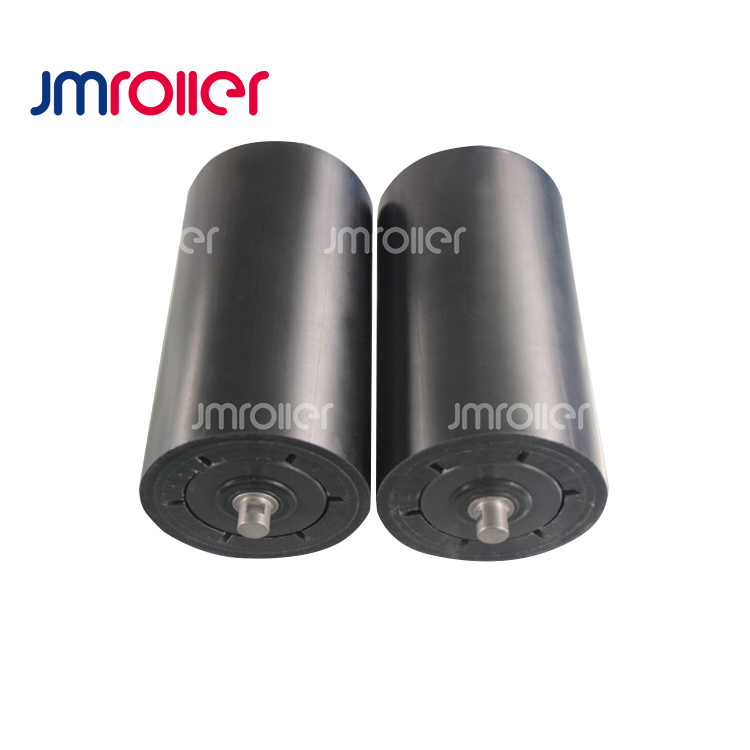
 HDPE Roller
HDPE rollers offer a polymer shell option for belt conveyors where handling weight, moisture and abrasive contamination deserve…
View details
Browse rollers, idlers, frames, pulleys, belts, cleaners and related components for bulk material handling systems.
Start with the belt width, material characteristics and operating position. Carrying rollers support the loaded belt, impact components protect loading zones, and return-side rollers help manage carryback. Pulleys, frames, cleaners and belt construction should be considered together.
HDPE Roller
HDPE rollers offer a polymer shell option for belt conveyors where handling weight, moisture and abrasive contamination deserve…
View details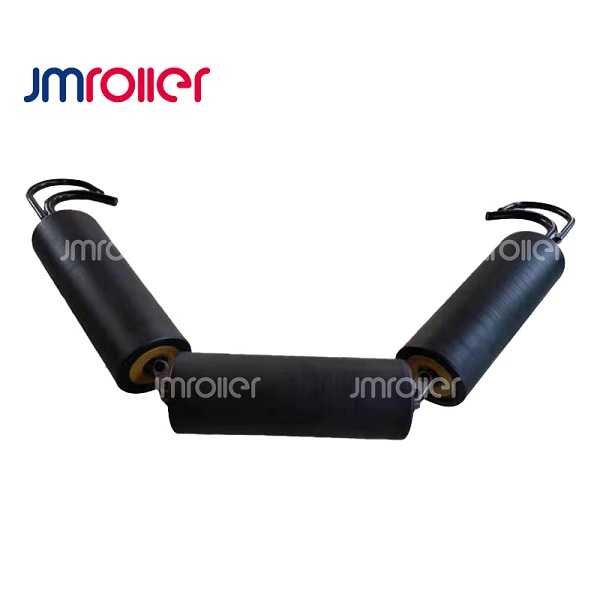 Garland Roller
Garland rollers link individual rollers into a suspended assembly that follows a conveyor’s belt profile. The connection style…
View details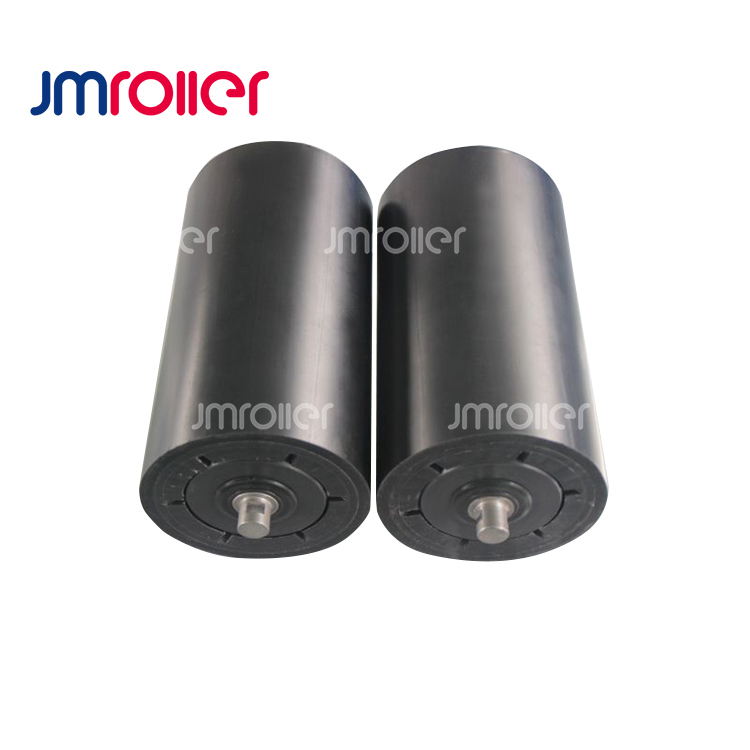 UHMWPE Roller
UHMWPE rollers use a polymer shell in a conveyor support assembly, with application suitability determined by the complete…
View details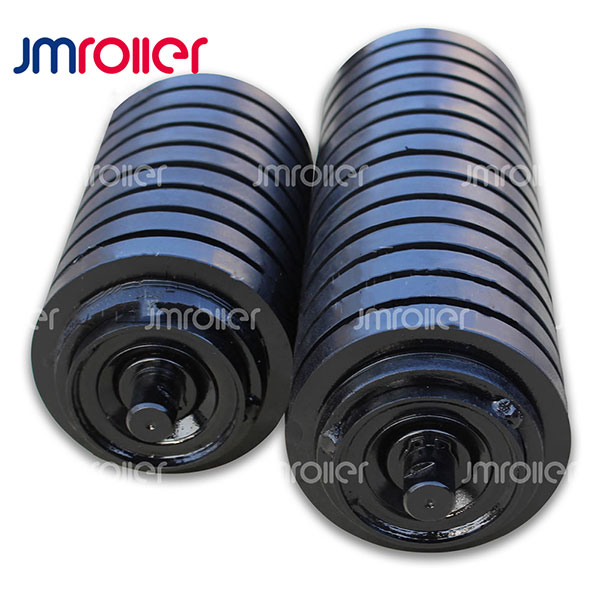 Impact Roller
Impact rollers support the belt near a loading point, using a resilient outer arrangement to address material impact.…
View details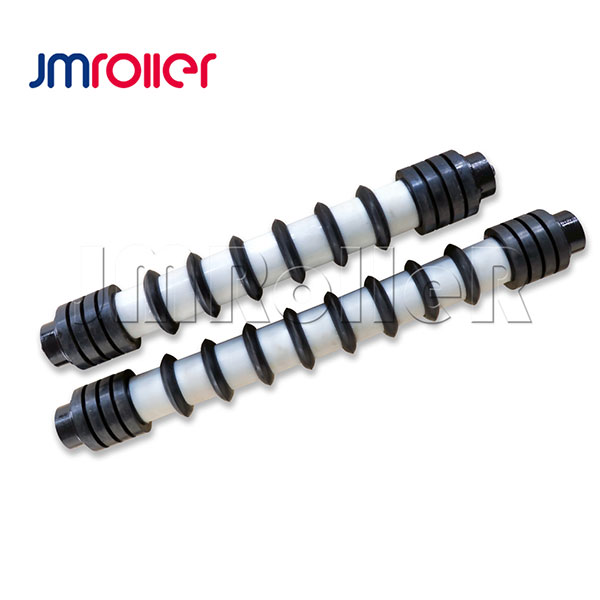 Comb Roller
Comb rollers, also described as rubber disc return rollers, use spaced discs on a return support arrangement. The…
View details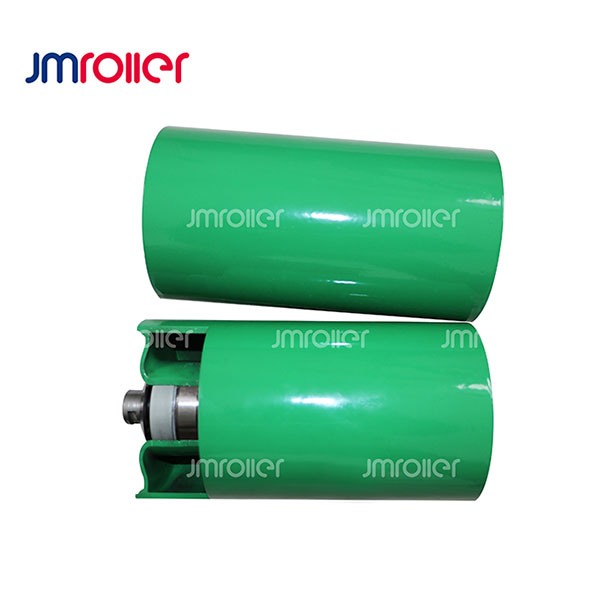 Steel Roller
Troughing rollers support the loaded carrying strand within a shaped roller station. A suitable replacement must maintain the…
View details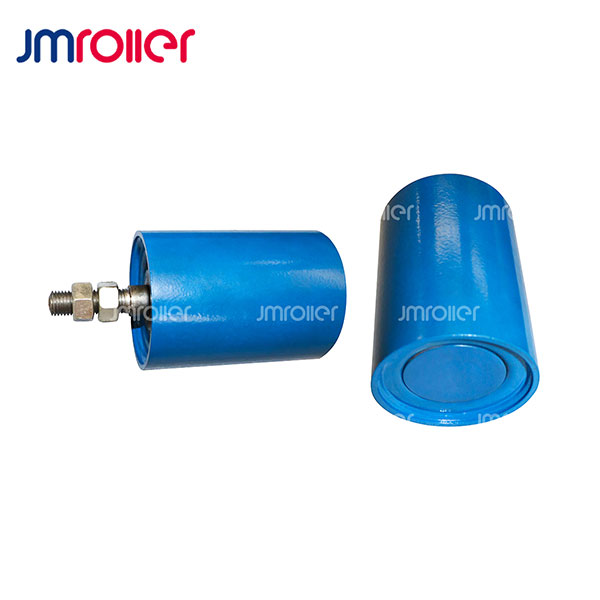 Steel Roller
Guide rollers provide a guiding contact at a defined location in a conveyor arrangement. Their position, mounting direction…
View details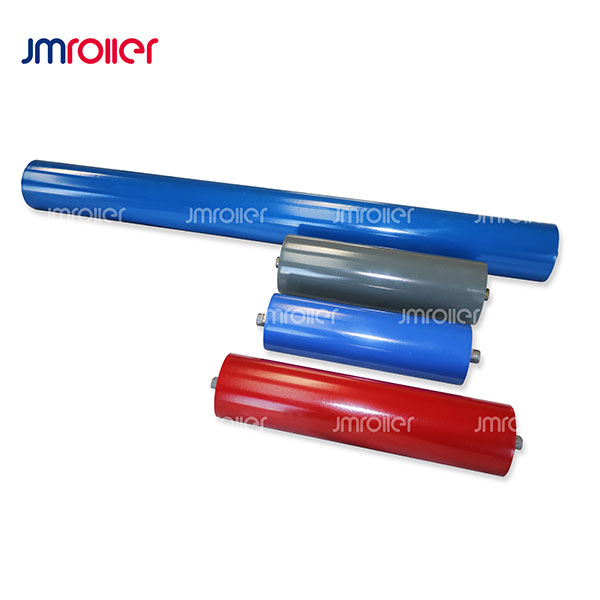 Steel Roller
Return rollers support the unloaded belt on its path back to the loading point. Their selection should account…
View details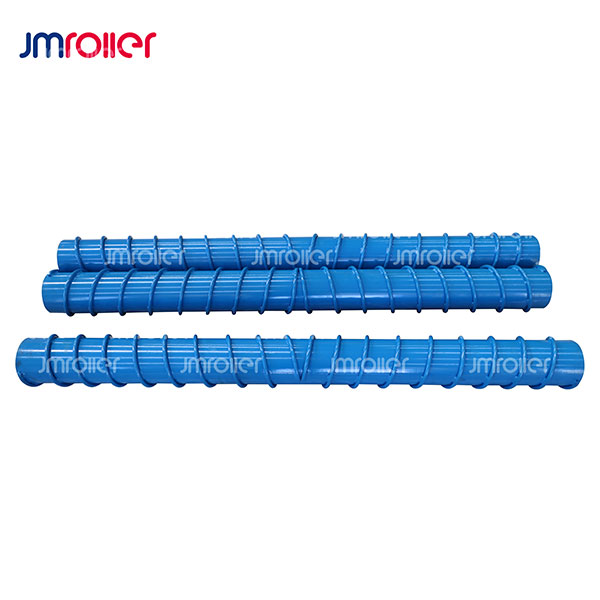 Steel Roller
Spiral rollers use a helical surface arrangement on a conveyor roller, often considered for return-side material build-up. The…
View details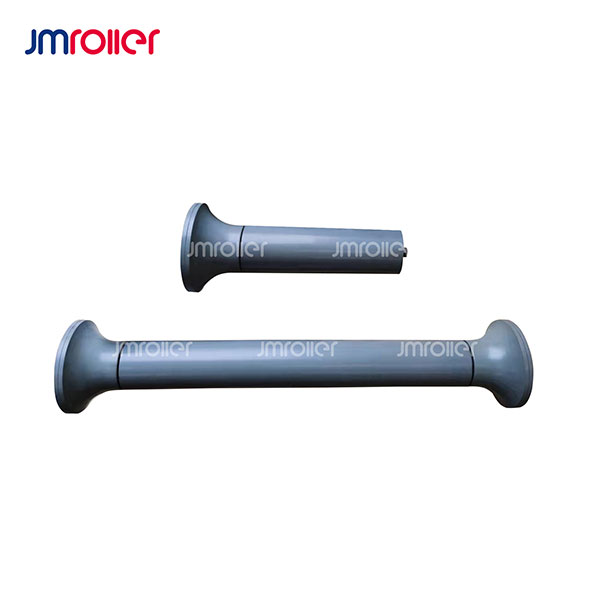 Steel Roller
Friction rollers form part of a conveyor guiding or contact arrangement where surface interaction is intentional. Their working…
View details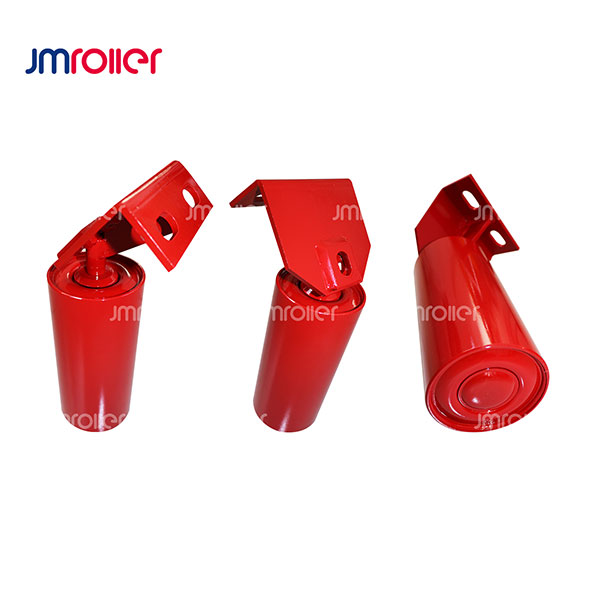 Steel Roller
Wing rollers support the outer portions of a troughed conveyor belt within a carrying station. Their length, shaft…
View details Steel Roller
Tapered rollers use a changing contact diameter within a specific conveyor arrangement. The taper, effective length and mounting…
View details Conveyor Roller Set
A self aligning V-return roller set combines a shaped return support with an aligning mechanism. It should be…
View details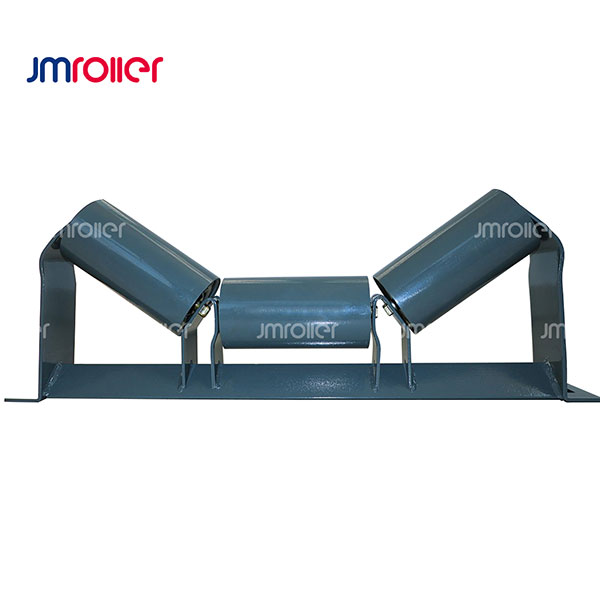 Conveyor Roller Set
Carrier roller sets support the loaded conveyor belt through an assembled roller and frame arrangement. Their geometry should…
View details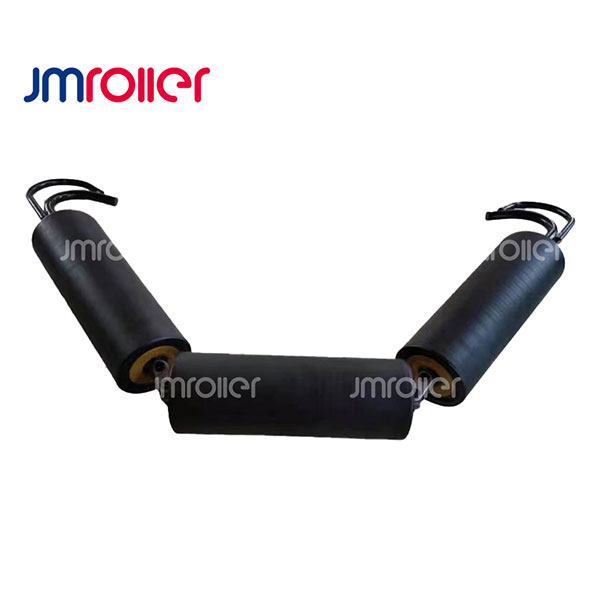 Conveyor Roller Set
Garland roller sets connect multiple rollers into a suspended support assembly. The complete chain, its connectors and the…
View details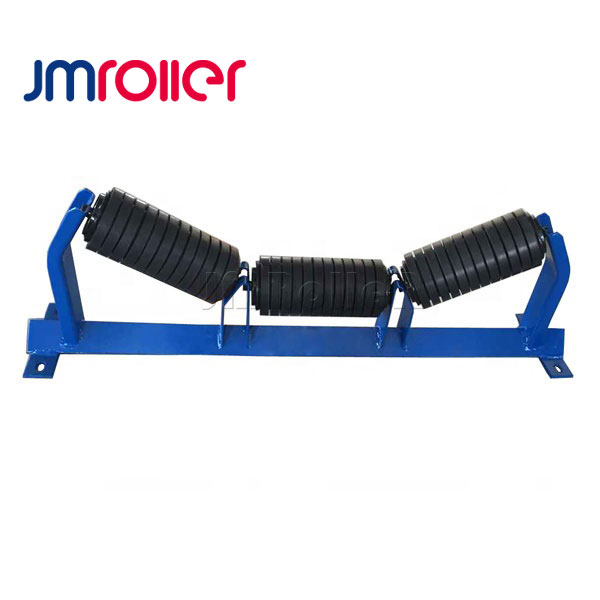 Conveyor Roller Set
Impact roller sets support a conveyor belt near material loading, combining resilient rollers with a supporting frame. Their…
View details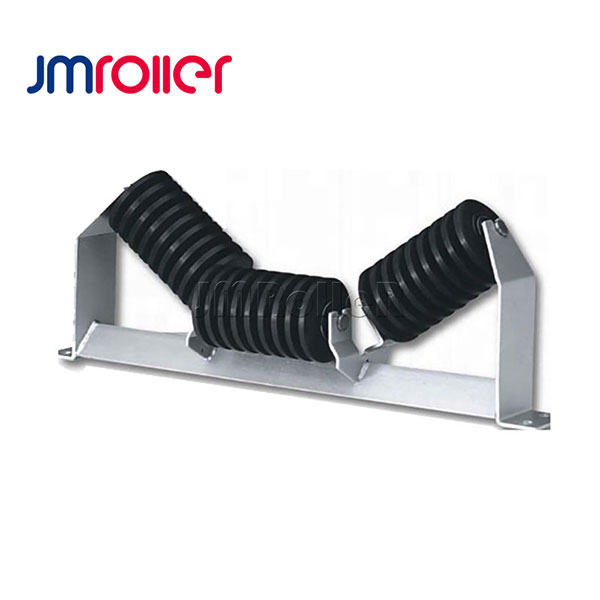 Conveyor Roller Set
An off-set roller set positions parts of the supporting arrangement at different longitudinal locations. The relative roller positions…
View details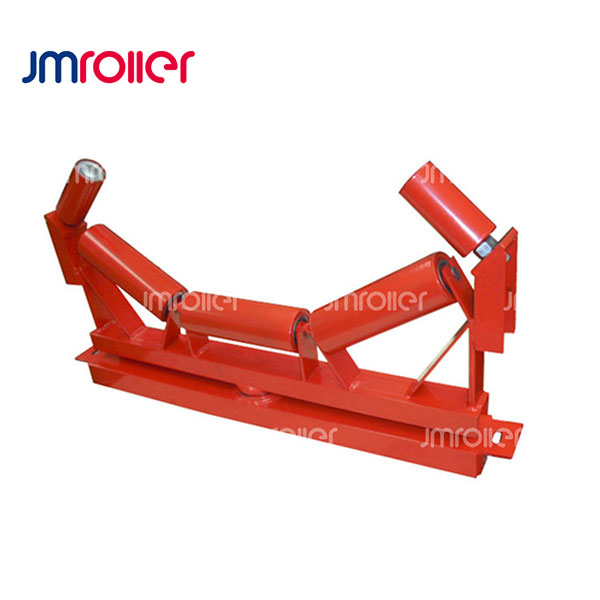 Conveyor Roller Set
Self aligning carrier roller sets combine carrying support with a mechanism intended to respond to belt position. Their…
View details Conveyor Roller Set
Self aligning return roller sets support the return belt while incorporating an aligning arrangement. They should be selected…
View details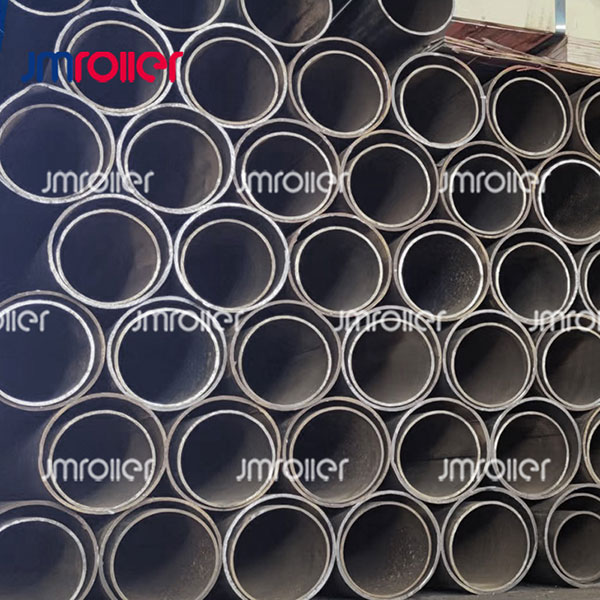 Conveyor Roller Accessories
Roller pipe forms the outer shell of a steel conveyor roller and provides the surface that supports the…
View detailsA component catalogue helps identify the available product families, but the right replacement must also match the installation and operating duty. Begin with the component position, drawing and the material being conveyed. A carrying roller, impact roller and return roller can look similar in a photograph while serving different functions along the belt.
Use the roller categories to compare shell materials and arrangements. Roller sets and frames establish the support geometry, so the roller length, shaft connection, mounting centres and set configuration must be reviewed together. Accessories such as shafts, bearings and housings should be matched to their mating components rather than selected from appearance alone.
The belt construction, pulley arrangement and operating environment form a connected selection. Include the belt width, existing marking and available design information when discussing a belt or pulley. For cleaners, impact beds and lagging, explain the current installation and the issue being addressed, such as carryback, loading-zone damage or loss of traction.
For each item, identify the drawing or part reference, quantity and working conditions. Mark any dimension that is critical for fit and include the delivery destination. State the documentation and inspection requirements with the enquiry so they can be considered before a proposal is prepared. Our application guide, quality control page and purchasing FAQ provide further guidance. Contact JuMing with the information you have available.